From Doors to Dashboards: A Designer’s Take on Norman
Users should work the problem, not the tool.
Did you ever wonder why some doors practically ask to be pushed while others make you guess? Or why it can be difficult to tell which stove knob controls which burner? From mystery switches to faucets with no clear temperature cue... are these 'user errors' or 'design errors'? Good design can make the next step obvious or force you to struggle.
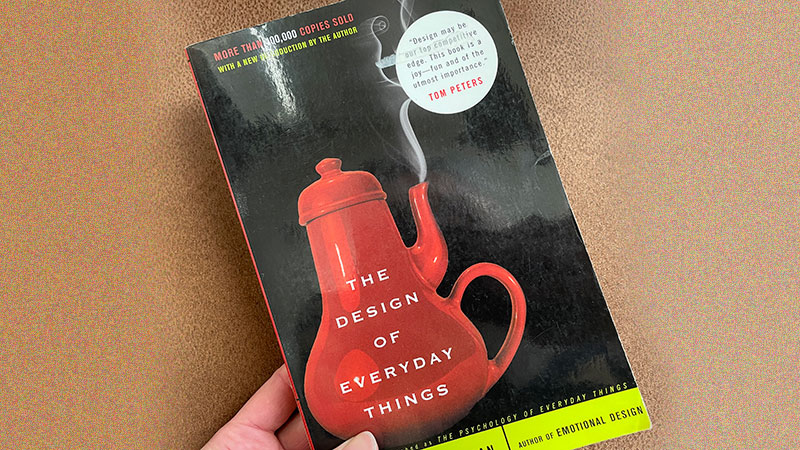
Recently, I had a long-overdue opportunity to read "The Design of Everyday Things" by Donald A. Norman. It’s a gut-check for anyone who makes a product or device, and the message is timeless for designers. Before pixels or print, think behavior. Thoughtful consideration should precede any layout, logo or landing page, especially when the experience IS the design.
My takeaways:
- Start with purpose. A poster, checkout flow, or PDF has a job. Define the task before you open a file.
- Invite action. Make the user action obvious and the cue unmistakable. Buttons should look press-able. Links should look link-y. Captions should invite a click or call.
- Clear mapping. Place controls where expected. Menus should mirror decision. In a world of overthought and overthink, no mental gymnastics please.
- Immediate feedback. Every action invites an expected response or confirmation, with error guidance. Hesitation is friction.
- Purposeful constraints. Fewer choices = faster decisions. One page, one primary action. Easy.
- Take responsibility. If users miss the CTA or submit the wrong form, it's likely a design problem.
- Error test. Is it easy for a user to figure out “what it is” and “what to do"? If not, rewrite, relayout, or relabel.
I particularly enjoyed the design-though-the-ages scope of this book. I admit that I lived through most of the technological advancements described, and I found the information useful and entertaining. Norman points out that a tool should vanish behind the task, “the best computer programs are the ones in which the computer itself ‘disappears’...” You work the problem, not the interface. I thought his observations were somewhat prophetic as he described what we now refer to as 'UX Design'. Successful design serves the user, which is why this decades old book still hits home.
Bottom line: Lead with user behavior (clear cues, tight mapping, instant feedback) and increase conversion. Design matters, but it should be grounded in user experience. Make it attractive, then make it effortless.